Trinityhouse Points of Pride

ADvTECH Group • January 10, 2022

Trinityhouse Schools are unique! There are so many reasons to be proud of our school and sometimes we just have to stop and appreciate those things.

A group of young girls are standing in a circle with their hands in the air.

In recent years, holistic development has become more important from an early stage of a child’s life. Trinityhouse Schools focuses on taking this holistic approach in its teaching methods to support each child’s development.


Trinityhouse staff play a central role in learning policies. They endeavour to help students discover their identities and find meaning in their community and the world through holistic teaching methods. This brings us to the points of pride at Trinityhouse Schools.


“We make it our mission to bring out the best in everyone from our students, staff and parents to the wider community. Apart from academic excellence, our schools also aim to develop character, compassion, and service,” says Marthie van der Wat, Head of Marketing at House Schools, ADvTECH.


Pride in a Christian Ethos


Trinityhouse operates within a Christian ethos at its core and suggests all people can connect to educating for faith, wisdom, knowledge and skills; educating for hope and aspiration; educating for community and living well together, and educating with dignity and respect. These strong traditions and values, together with a curriculum covering all facets of its pupils, ensure that the schools produce capable adults who are an asset to society.


Pride in Academics


Academically, pupils at Trinityhouse are prepared for the final Independent Exam Board (IEB) matric examinations. Trinityhouse Schools prides itself on its 100% pass rate, with a number of pupils achieving a minimum of two A-aggregates per student, year after year, some of whom rank within the top result bracket in the country.


Pride in Learning Environments


Learning takes place in spacious, well-equipped classrooms linked to the latest technological networks with access to the internet. Some classrooms also have smart boards and data projectors. The learning experience is further enhanced by life-science and science laboratories, computer rooms, STEAM education and well-equipped libraries. Hence, pupils have access to a broad spectrum of resources during their studies.


Pride in the Arts


Trinityhouse also offers art as one of its subjects. Art is viewed as fundamental in developing certain key skills where interest is nurtured and talent is encouraged. It is through the school’s art programme that skills can be embraced and developed.

It is important to bear in mind that schooling is not only about academic achievements. There is much more to it! Trinityhouse Schools serves to help pupils socialise and develop emotional control. These aspects of schooling are not of trivial importance. Just as cognitive development, they are associated with better outcomes in adulthood.


Pride in the Individual


Trinityhouse Schools focuses on the development of each individual as they fit into the school space. As a school brand, we place importance on the individual’s autonomy to grow at their own pace while being cognisant of the needs and sensitivities of those around them. Trinityhouse pupils are encouraged to grow and thrive in the process of making friends, discovering what is important to them, and making sense of limitations with which they can comfortably live as opposed to those that challenge them and inspire them to do better.


Pride in Sports


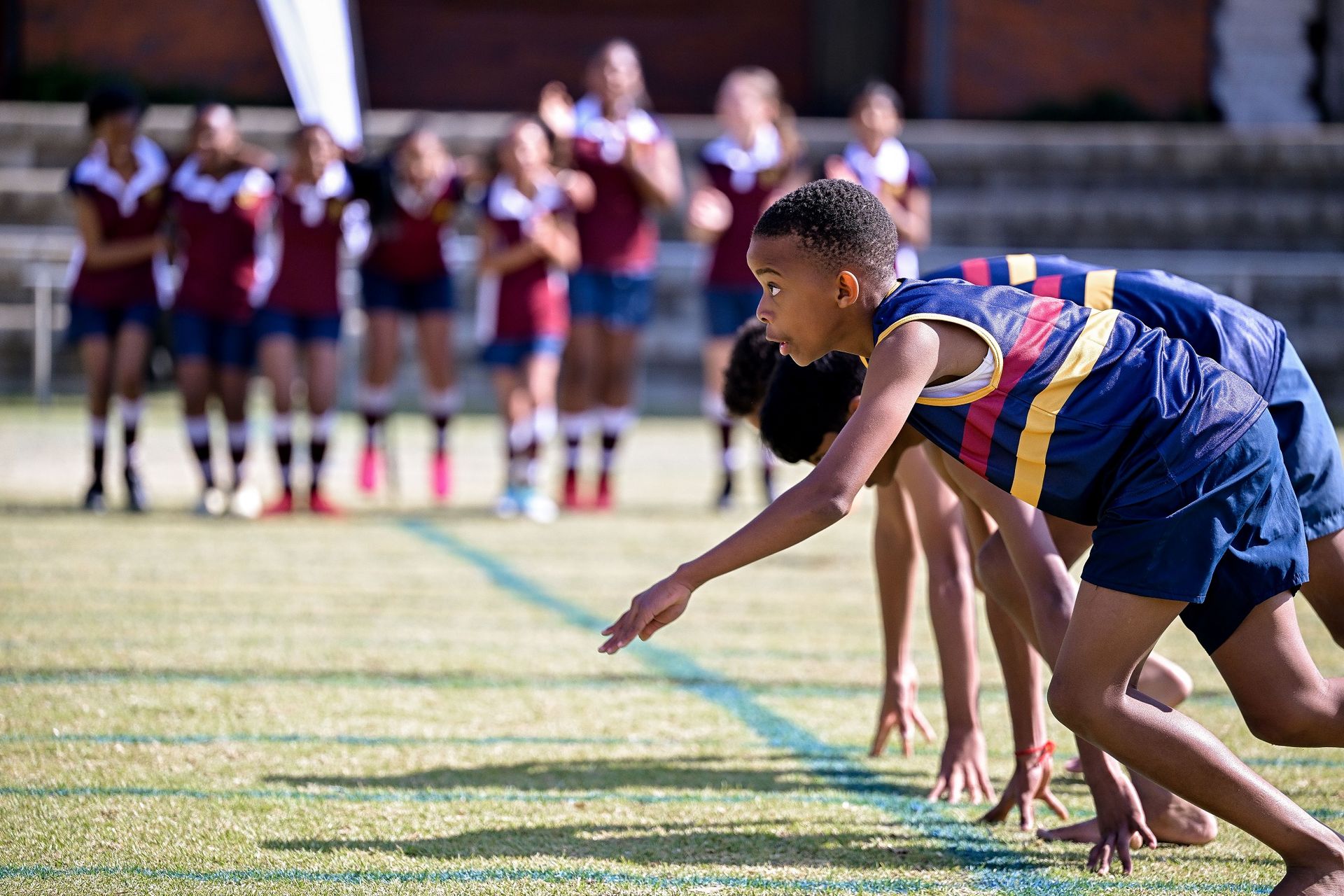
A wide range of sports activities is an inherent element of holistic education at the Trinityhouse Schools. The importance of sports in education is a powerful tool in developing a healthy body and mind. Fundamentally, the benefits of boosting self-esteem, reducing stress, improving sleep, and developing teamwork and sportsmanship are great motivations for pupils. Instruction for these takes place in premium facilities with expert coaches. Over the years, pupils from the school have performed well in various competitions across all disciplines.


Pride in Culture


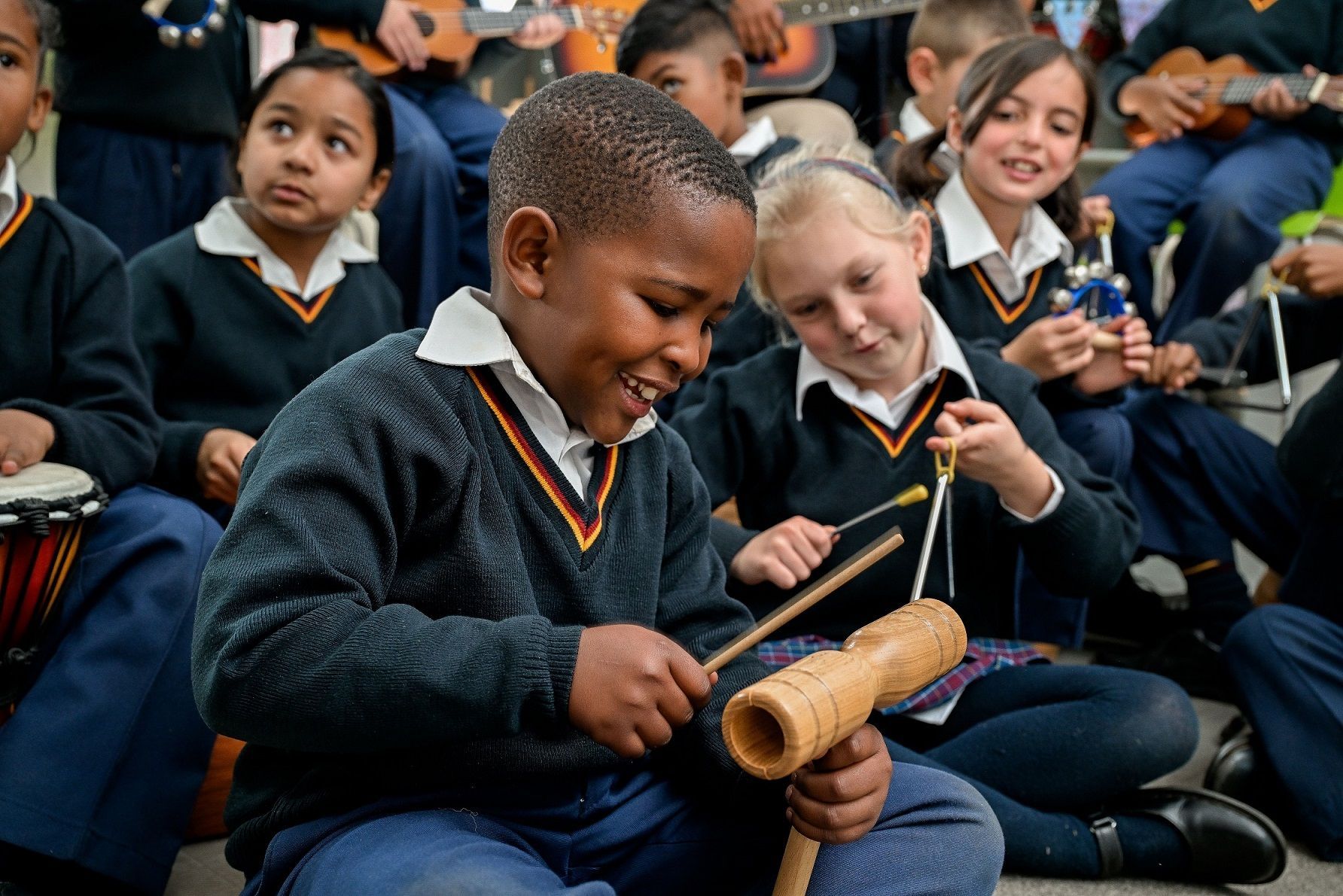
Just as sports, cultural activities are of great importance at Trinityhouse Schools. This modern-day philosophy focuses on imparting various skills that build confidence, communication, etiquette, and more. The variety of cultural activities on offer come into play, instilling these skills in Trinityhouse pupils. Encouraging students to participate in cultural activities is most effective to instil personality-related skills.


Pride in Service

Trinityhouse Schools wants its pupils to be successful in the classroom and ultimately in life. Therefore, they have a variety of opportunities for servicing their communities. To participate in community service makes a difference to the people being served and to every pupil’s career prospects. It also helps pupils develop civic and social responsibility skills and become more aware of their community needs.


Pride in Diversity


Trinityhouse pupils are empowered to embrace diversity through life lessons that are taught concurrently with curriculums. This creates an inclusive space for all children to reach their full potential.


Pride in our Alumni


Trinityhouse Schools is proud to equip its pupils to flourish in school and life’s journey ahead of them. We continue to remain honoured and delighted by the number of our pupils who go on to achieve great success and make meaningful contributions to society.


In conclusion, Trinityhouse Schools is proud to boost the morale of our pupils so that they can go on to achieve greater heights for their futures while becoming upstanding citizens who contribute to the growth and development of society and the country. Hence, the holistic development of pupils is very important right from the beginning of school-going years.
By Laura Barrett March 20, 2026
Where emotional intelligence, belonging and wellbeing shape confident, high-achieving students
By Camilla Pretorius March 14, 2026
Each year on 14 March, schools across the globe celebrate Pi Day, a playful tribute to the mathematical constant π (3.14). Numbers may seem abstract at first glance, yet behind every formula lies a story of discovery, logic and imagination. Mathematical thinking shapes the way young people analyse the world, solve problems and innovate in fields ranging from medicine to technology. Passion for mathematics rarely appears overnight. Curiosity often provides the starting point. According to Camilla Pretorius, Principal of Trinityhouse Centurion , mathematical confidence develops when students realise that the subject is not about memorising formulas but about exploring patterns and ideas. “Mathematics is fundamentally about curiosity,” Pretorius explains. “Students begin to thrive when they understand that problem-solving is a journey rather than a test of instant ability.” Early childhood plays a critical role in shaping attitudes towards numbers. Young students naturally explore patterns, shapes and quantities through play long before formal lessons begin. Counting steps on a staircase, sorting colourful objects or building towers all introduce foundational mathematical concepts. Teachers who encourage exploration help students associate mathematics with discovery rather than anxiety. Games, puzzles and open-ended questions transform classrooms into spaces where curiosity flourishes. Confidence grows when mistakes become part of learning. “Students sometimes arrive believing they are ‘not maths people’,” Pretorius says. “Changing that mindset requires patience and encouragement. Progress becomes visible once students understand that effort and persistence build mathematical ability.” Academic performance improves when students believe they can succeed. Mathematical confidence determines whether a student will attempt a challenging problem or avoid it entirely. Supportive classroom environments allow students to ask questions, test ideas and learn through trial and error. Teachers play a central role in shaping that environment. Encouraging discussion, celebrating creative thinking and analysing mistakes openly helps students develop resilience. 
February 21, 2026
Four Pages, One Future: The Trinityhouse Wordsmith Making Her Mark
February 21, 2026
Celebrating multilingual education at Trinityhouse, where identity, inclusion and global readiness grow together. Experts: Samantha Nkosi, Raesetja Ntuli and Maché Piek (Trinityhouse Centurion Teachers) International Mother Language Day, celebrated annually on 21 February, offers schools across South Africa an opportunity to reflect on language inclusion, cultural diversity and identity. At Trinityhouse Schools, language education is not only about academic achievement. It is about building culturally confident, globally aware students who are proud of their roots. In the early years, language shape’s identity. When young children hear Sepedi, isiZulu, Afrikaans or their home language spoken in the classroom, they feel recognised and valued. Introducing home languages in Pre-Primary affirms cultural heritage at a critical stage of development. Children who encounter familiar words, songs and greetings settle more quickly into school life. Multilingual exposure through music, storytelling, indigenous games and augmented reality books strengthens vocabulary and builds early literacy foundations. Students explore the meaning of their names and surnames, deepening pride in their identity. When a child’s mother tongue is acknowledged, confidence grows. Participation increases. Classrooms become spaces where diversity is celebrated naturally. Early language inclusion supports emotional wellbeing and strengthens school readiness, creating confident students from the very beginning. As students’ progress through Preparatory School, continued development of home language skills alongside English strengthens academic performance. Research and classroom experience consistently show that students who maintain strong home language proficiency demonstrate improved comprehension, stronger reading skills and greater conceptual understanding. Teaching strategies such as repetition, guided group reading and small discussion circles allow multilingual students to participate without pressure. Students often explain concepts in Sepedi before bridging into English, reinforcing understanding and building academic confidence. Parents play a pivotal role in this journey. Daily reading in both English and home languages, storytelling and regular conversation strengthen vocabulary and cognitive development. A strong foundation in a home language enhances English acquisition rather than hindering it. Multilingual students develop cognitive flexibility, empathy and adaptability, essential skills in today’s interconnected world. Aligned with South Africa’s 11 official languages and a strong commitment to diversity in education, Trinityhouse continues to broaden its African language offerings. At Trinityhouse Centurion, Sepedi was introduced at Pre-Primary and Preparatory in 2019 and will be extended to Grade 8 in 2027. Offering Sepedi as a First Additional Language affirms students’ linguistic heritage within an academic setting. When students see their home language valued at high school level, it strengthens identity, belonging and pride. At the same time, multilingual students develop cultural awareness and global readiness. The Sepedi department will prepare students for the IEB National Senior Certificate examinations in their matric year. A structured academic pathway, rigorous assessment standards and active collaboration within the IEB Sepedi cluster across Pretoria and Gauteng will ensure consistency and academic excellence. Close cooperation between the Preparatory and High School departments will further support a smooth and well-coordinated implementation in 2027. Adolescence is a critical period of identity formation. Language inclusion directly influences student confidence, wellbeing and belonging. Being able to connect socially through a shared language reduces isolation and fosters community. Through Respect, Diversity and Inclusion initiatives, Public Speaking, assembly celebrations and events such as Heritage Day Fire Feast, Trinityhouse creates spaces where students celebrate linguistic pride through praise poetry, storytelling and song. These moments strengthen engagement, participation and cultural appreciation. International Mother Language Day reminds us that language is more than communication. It is memory, belonging and identity. At Trinityhouse, raising globally competitive students who are proud of their heritage means ensuring that cultural identity and academic excellence walk hand in hand.
February 13, 2026
Engineering her own future: Trinityhouse Alumni Anya Rabbets thrives in stem
February 12, 2026
Celebrating International Day of Women and Girls in Science – 11 February 
February 2, 2026
Hannah Coppin: Styling life one mannequin at a time
January 19, 2026
Hannah Ainsley’s unstoppable journey
January 5, 2026
Mind Over Matter: How Trinityhouse Alumna Lauren Crossman Is Shaping Futures
December 8, 2025
Saiyuri Rampathi – finding her voice, inspiring the next generation