By Franco van Dyk, Deputy Principal of Trinityhouse Preparatory Centurion
•
May 18, 2026
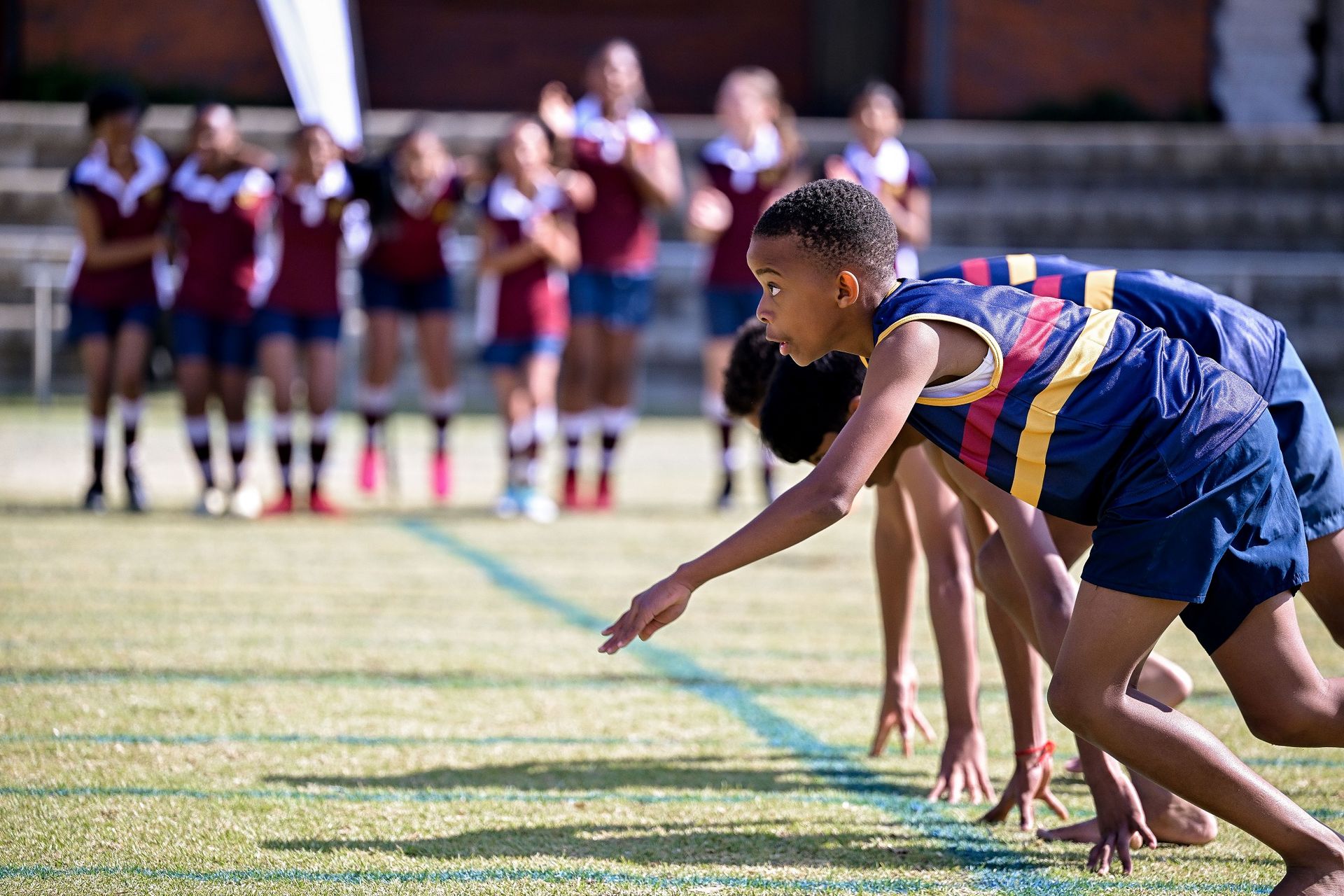
Winning a match may earn applause in the moment, but the lessons learnt through sport often last a lifetime. Every training session, team talk, victory and defeat presents students with opportunities to develop resilience, discipline, leadership and integrity in ways few other environments can offer. As schools around the world mark World Fair Play Day on 19 May 2026, conversations around sport are shifting beyond trophies and results towards the deeper role athletics play in shaping character and preparing students for life beyond the classroom. Sport places students in environments where responsibility constantly changes. One moment may require leadership and confidence, while another demands humility, support and teamwork. These experiences encourage students to understand that success is rarely achieved alone. According to Trinityhouse Preparatory Centurion Deputy Principal Franco van Dyk, sport provides one of the most practical platforms for character development. “Sport challenges students to lead, support, adapt and persevere in real-time situations. Character is often revealed during moments of pressure, disappointment or uncertainty. Those experiences help shape young people into resilient and responsible individuals,” says van Dyk. Participation in sport also teaches accountability. Students quickly learn that preparation, commitment and consistency influence outcomes. Team environments reinforce the understanding that every individual contribution matters and that collective success depends on shared effort and responsibility. Healthy sporting cultures are equally dependent on respect. Respect towards teammates, opponents, teachers, coaches and the school itself create environments where students feel connected to something greater than themselves. Pride in representing a school badge often strengthens responsibility, discipline and unity. Good sportsmanship becomes especially important during difficult moments. Victory may reveal confidence but defeat often reveals character. Students learn how to recover after setbacks, reflect on performance and continue striving towards improvement despite disappointment. “Fair play is about much more than following rules,” explains van Dyk. “Students learn that integrity matters even when nobody is watching. Ethical behaviour, honesty and respect become habits that influence the way they lead and interact later in life.” Sport also provides valuable opportunities for students to develop emotional maturity. Pressure situations, competition and conflict require young people to manage emotions constructively while learning how to communicate effectively and make decisions under stress. Leadership within sport extends beyond captains and top performers. Students who encourage teammates, demonstrate discipline and show empathy often influence team culture just as powerfully. Younger students naturally observe these behaviours and begin adopting similar values themselves. Humility remains another important lesson developed through sport. Success can easily create complacency, yet grounded individuals continue learning, improving and respecting others regardless of results. Students begin to understand that personal growth matters more than status or recognition. Inclusive sporting environments also play a vital role in student development. Equal opportunities encourage participation, confidence and belonging while strengthening school communities. Students exposed to diverse personalities, strengths and perspectives develop empathy and mutual respect through shared experiences. Schools therefore carry an important responsibility to ensure sport remains grounded in values and fair play rather than purely results-driven competition. Recognition of effort, resilience, teamwork and improvement helps students understand that conduct and character carry greater long-term value than short-term victories. “Sport prepares students for life far beyond school,” adds van Dyk. “Resilience, discipline, teamwork, humility and integrity remain essential qualities in adulthood. Lessons developed on the sports field often become the foundation for future leadership and success.” As conversations around education continue evolving, sport remains one of the most powerful classrooms for teaching students how to lead ethically, support others respectfully and approach life with courage and integrity.